



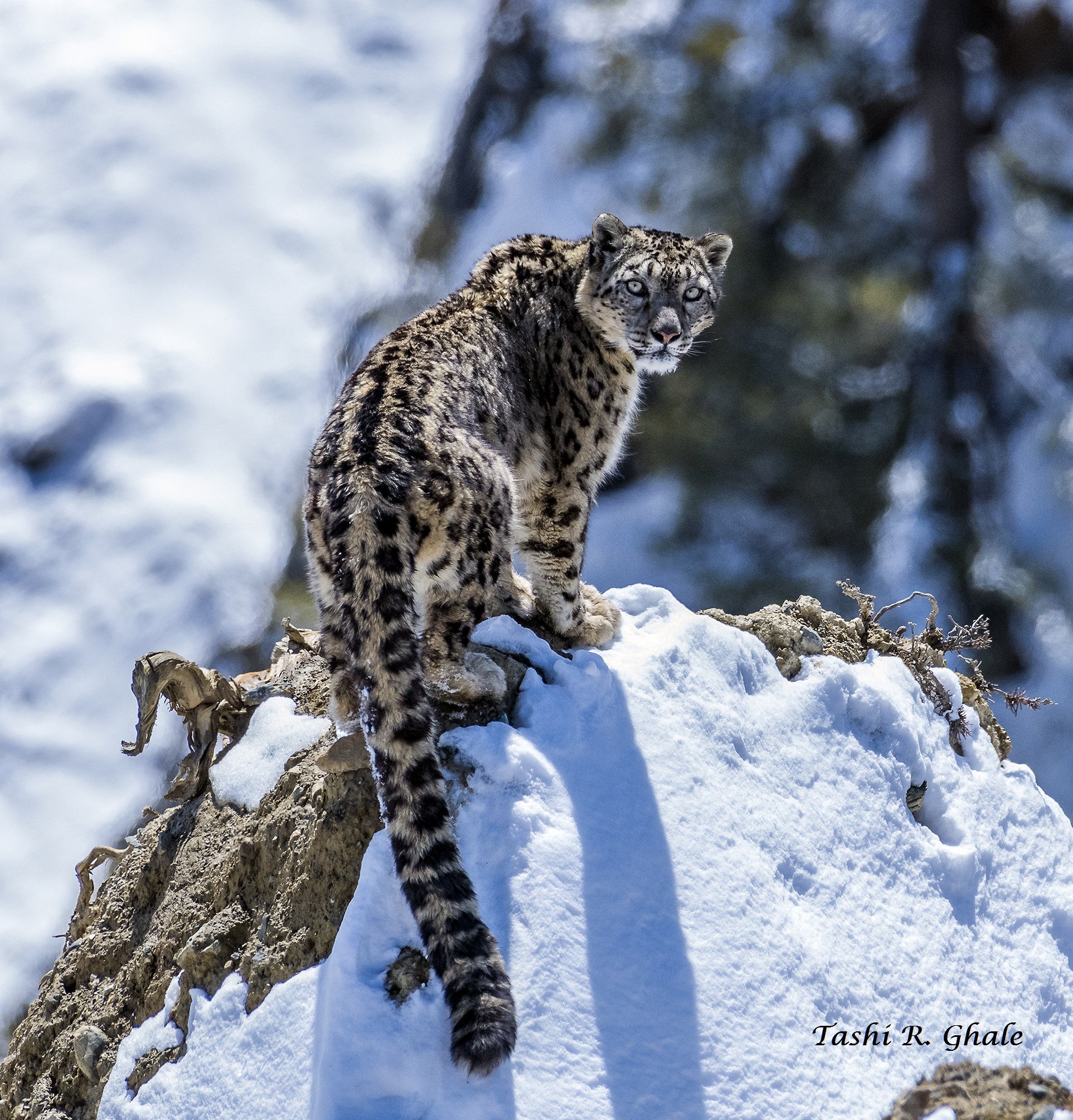

The Snow Leopard Conservancy is a registered, 501(c)(3), non-profit, public charity organization, EIN 61-1614981, based in Sonoma, California, formed in 2000, working in partnership with local communities in seven of the 12 snow leopard range countries to ensure snow leopard survival.
OUR MISSION
Ensuring Snow Leopard survival and conserving mountain landscapes by expanding environmental awareness and sharing innovative practices through community stewardship and partnerships.
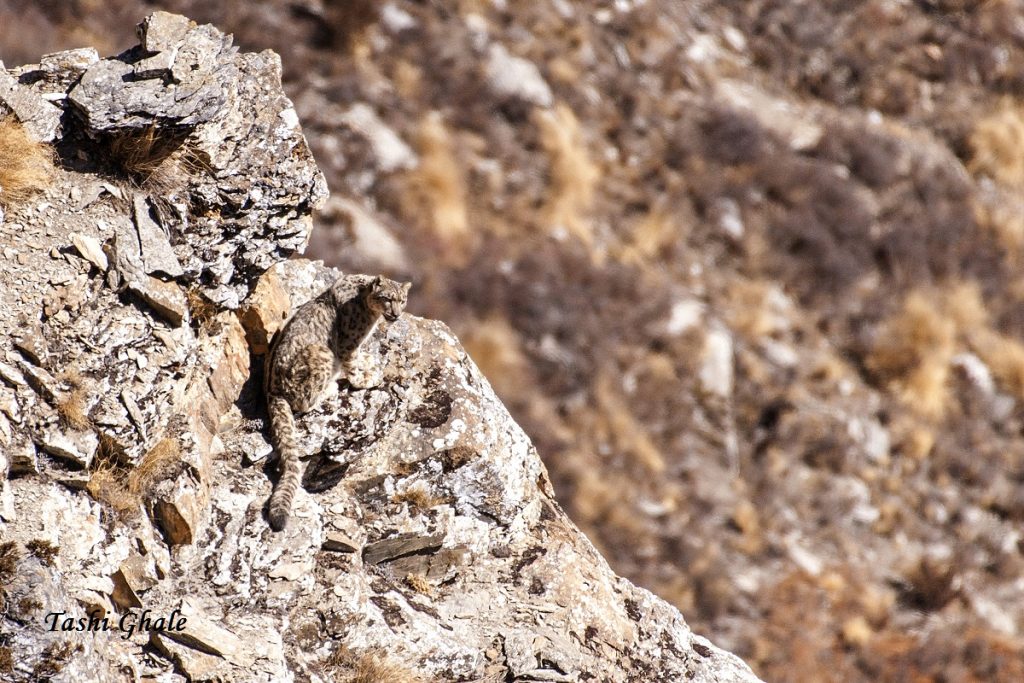
photos by Steve Tracy
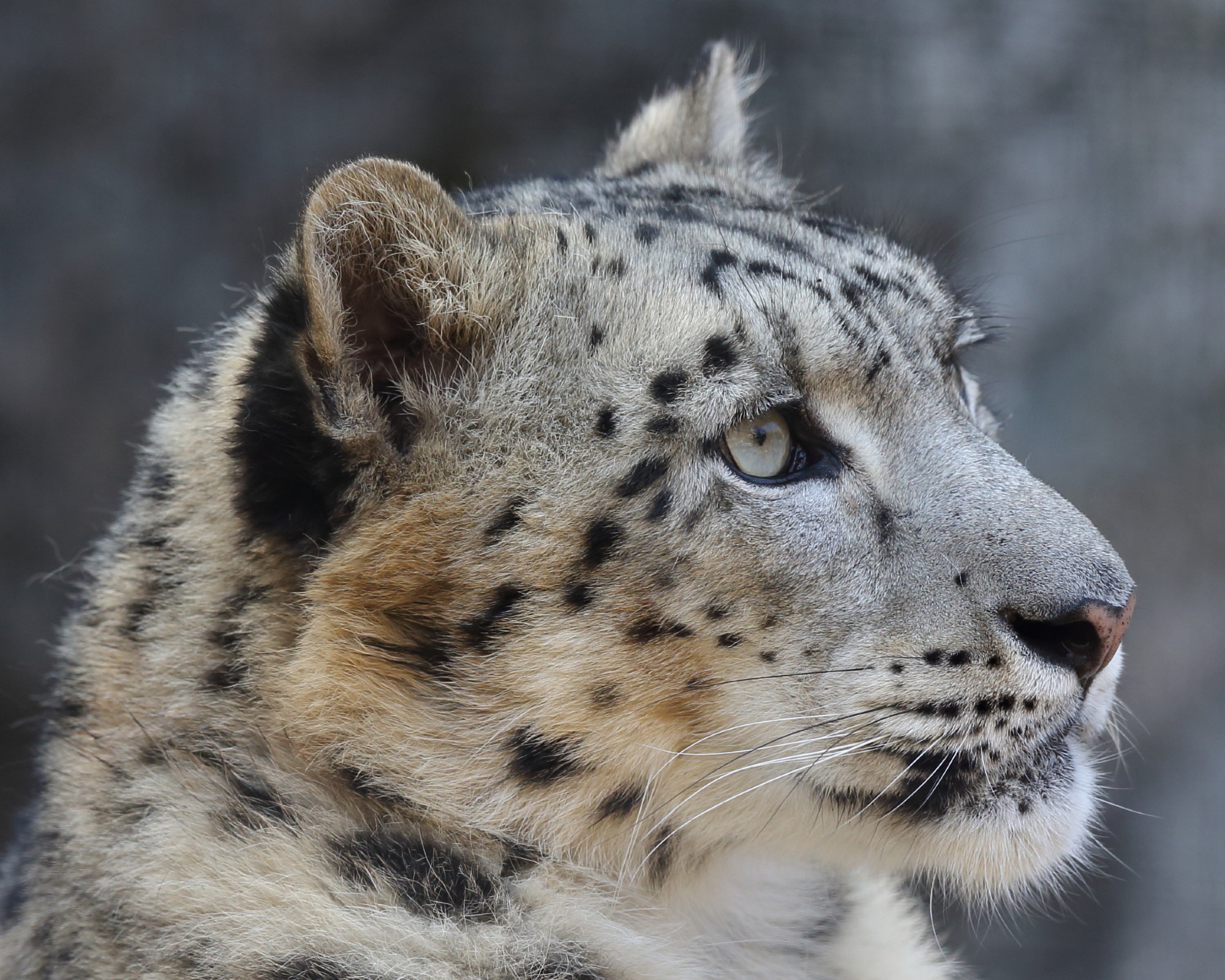
OUR VALUES
Passion, Creativity, Empowerment, Collaboration, Integrity, Reverence
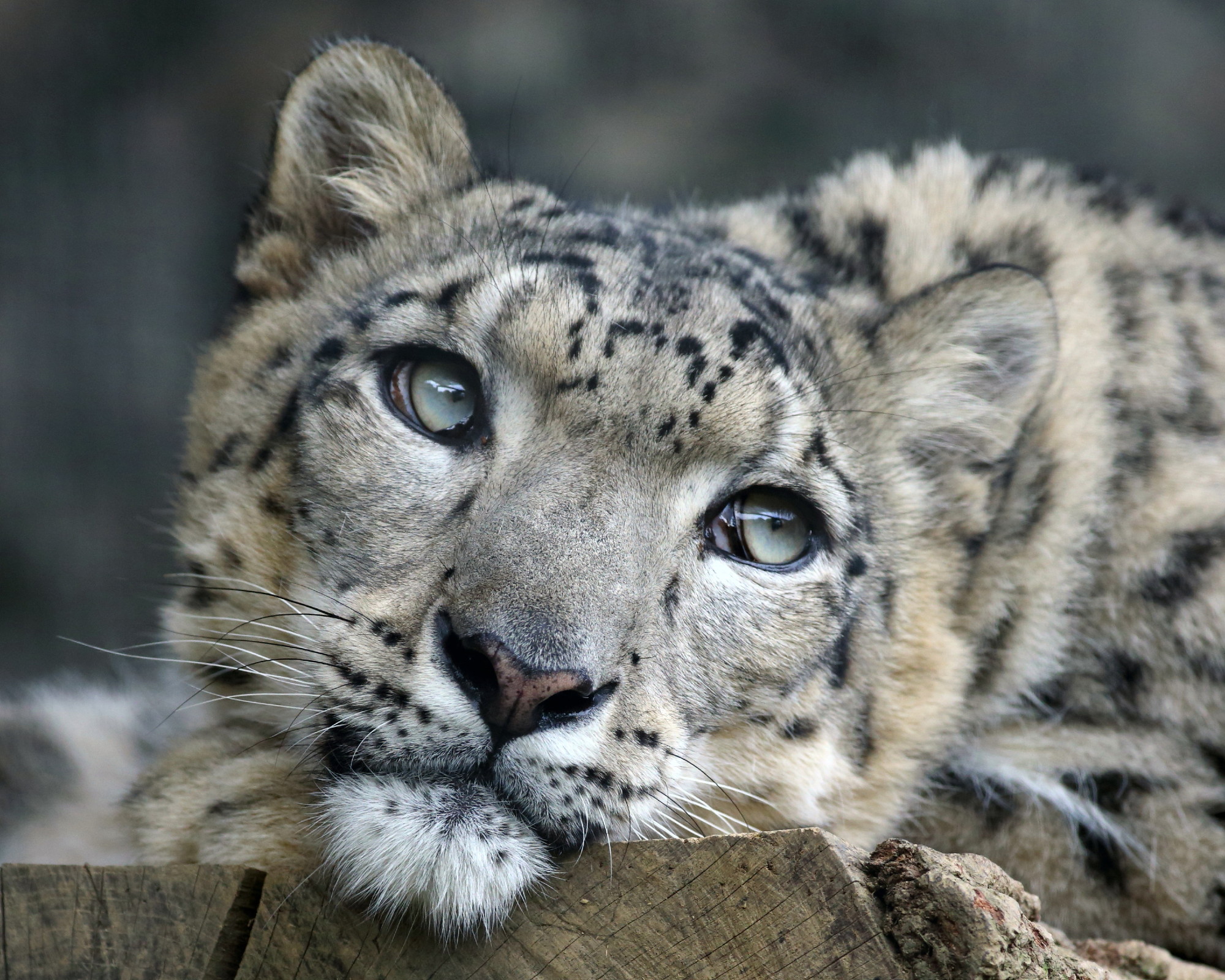
OUR VISION
Vibrant mountain landscapes where people and wildlife are in harmony with their environment.
MAKE A DIFFERENCE FOR SNOW LEOPARDS

The Baltistan Wildlife Conservation & Development Organization – Pakistan


Convention on the Conservation of Migratory Species COP14
Photography by Tashi R. Ghale Dr. Rodney Jackson & Maria Azhunova represent Snow Leopard Conservancy & Land of Snow Leopard Network at the CONVENTION ON THE CONSERVATION OF MIGRATORY SPECIES [...]
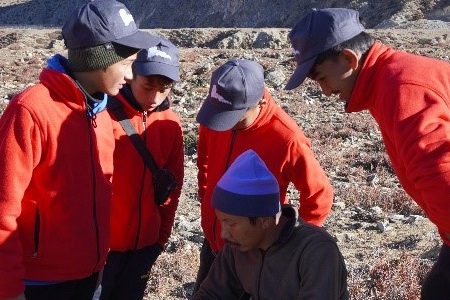
Snow Leopard Scout’s Monitoring Camp
Aspiring future conservationists are mentored by citizen scientists during an environmental wildlife monitoring camp. In this article, learn how citizen scientists, skilled at monitoring resident snow [...]
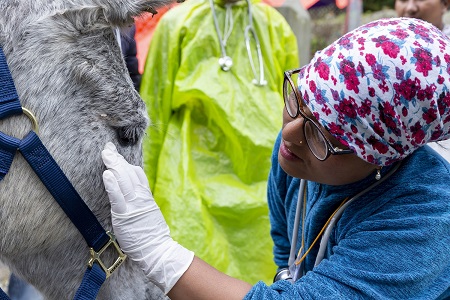
Junior Technicians of Manang Reflect On Their One Health One Welfare Experiences
Hover over or click on the images below to read the responses from four Junior Technicians (JTs) who in the fall of 2023 took part in the Manang One Health - [...]